What services does LBST provide in the field of circular economy and resource availability?
The natural resources available on our planet are finite. This applies to renewable and fossil energy sources as well as water and other raw materials. Population growth, economic development and the transformation of the energy system are increasing pressure on these resources. Managing them responsibly therefore requires forward-looking planning and a comprehensive assessment of availability, demand and competing uses.
LBST assesses the resource foundations of sustainable energy and infrastructure systems. Through detailed systems analysis, we help public- and private-sector clients evaluate the potential and limitations of natural resources and make well-founded decisions for the future.
A systems perspective on resources
We analyse how emerging technologies, production pathways and supply systems affect resource demand and the environment. Our work covers, among other aspects:
- the availability and use of water, energy and other raw materials,
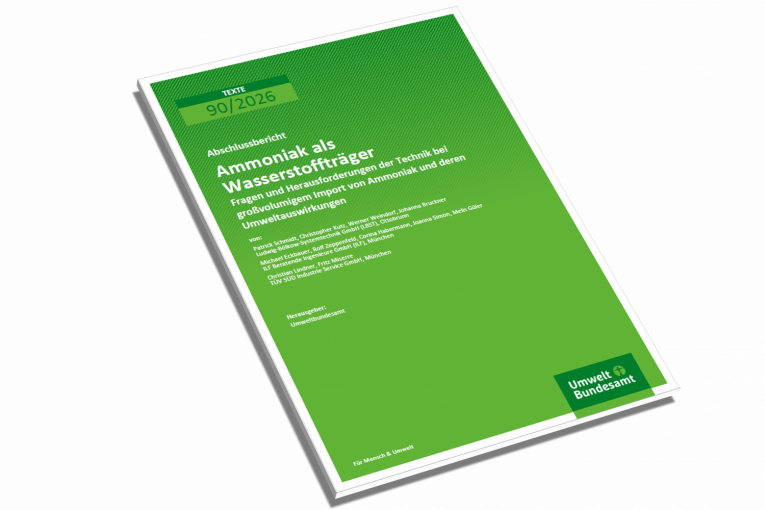
- the resource requirements of hydrogen and other energy technologies,
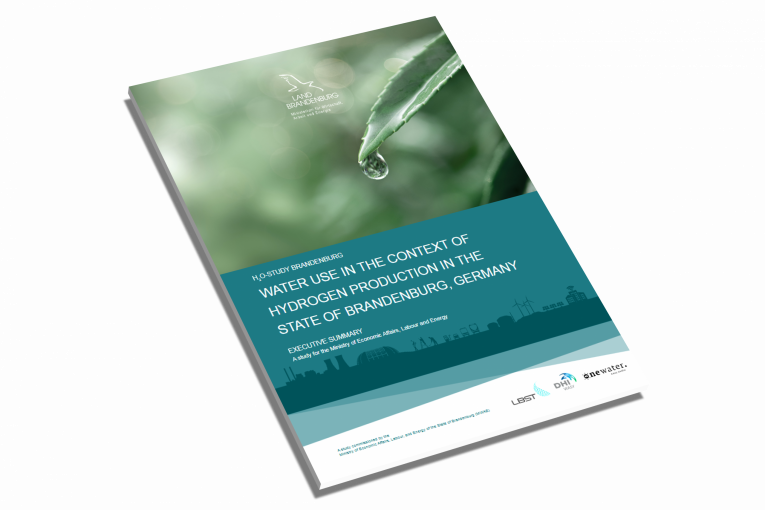
- water demand and consumption associated with hydrogen production,
- environmental impact of different energy technologies,
- competition between different resource uses and potential conflicts,
- the technical, environmental and economic implications of different supply pathways,
- the requirements for sustainable and resource-efficient development.
Our systems analysis combines technical, economic and environmental perspectives. This provides a robust basis for strategies, investment decisions and the development of sustainable energy and infrastructure systems.