How could future H₂ infrastructure for hydrogen transport be designed?
Transporting and distributing large quantities of energy to end users requires robust and reliable infrastructure. For hydrogen, several transport options are available. These include repurposing existing natural gas pipelines, constructing dedicated hydrogen pipelines, and transporting compressed or liquefied hydrogen as well as organic hydrogen carriers by ship, truck or rail.
The most suitable option depends on factors such as transport distance, volumes and the intended application. Each pathway has specific technical, economic and infrastructure-related advantages and limitations. Companies, infrastructure operators and policymakers therefore need to compare the available options systematically and assess them in the context of the wider energy system.
Our services around H₂ infrastructures
LBST supports clients in evaluating hydrogen infrastructure options through detailed technology and cost comparisons. Our analyses cover, among other aspects:
- repurposing existing natural gas pipelines for hydrogen transport,
- developing dedicated hydrogen pipeline networks,
- transporting compressed or liquefied hydrogen,
- using organic hydrogen carriers,
- transporting hydrogen by ship, truck and rail,
- comparing the technical and economic conditions of different transport pathways,
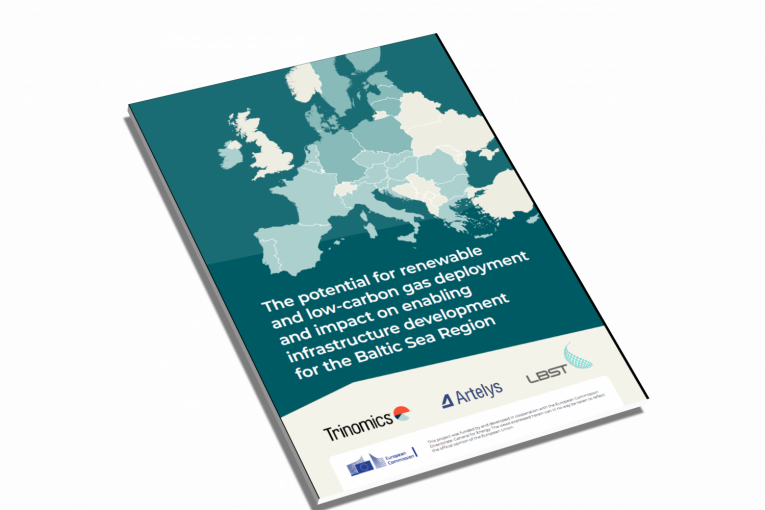
- assessing the development of hydrogen and gas infrastructure in Europe.
Our systems analysis combines technical detail with economic, infrastructure-related and policy perspectives. This provides a sound basis for investment decisions, infrastructure planning and the development of future hydrogen supply systems.